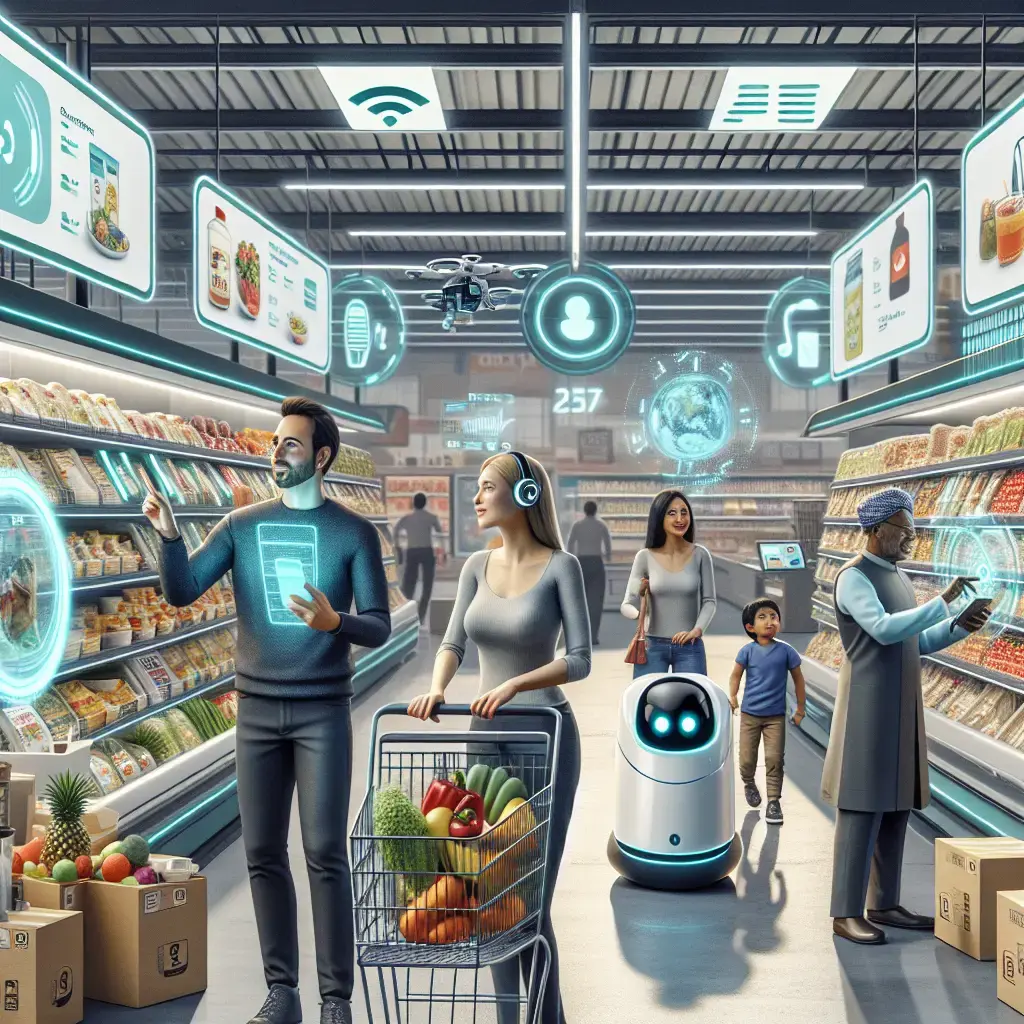
In today's fast-paced world, technology in grocery shopping is revolutionizing the way we fill our pantries. As we stand at the forefront of this digital transformation, the future of grocery shopping promises to be a dynamic blend of convenience, personalization, and innovation. From smart grocery stores equipped with AI in grocery shopping to the burgeoning realm of online grocery shopping, the landscape is evolving at an unprecedented pace. These digital grocery trends are reshaping consumer expectations, offering a seamless and personalized grocery shopping experience like never before.
The Rise of Smart Grocery Stores
Smart grocery stores are at the forefront of the future of grocery shopping. Leveraging AI technology, these stores enhance the consumer experience through features such as automated checkout, personalized product recommendations, and efficient inventory management. For instance, Amazon Go stores have pioneered this concept with their "Just Walk Out" technology, allowing customers to shop without traditional checkouts, thus creating a seamless and contactless grocery shopping experience.
Moreover, retailers like Walmart are incorporating these innovations to maintain competitive pricing amidst rising inflation. According to recent reports, Walmart has experienced strong sales growth, drawing inflation-weary consumers with its low prices and efficient shopping processes.
Enhancing Convenience with Mobile Apps and Grocery Delivery Services
The proliferation of mobile apps for grocery shopping has revolutionized how consumers interact with retailers. These apps provide users with the convenience of online grocery shopping while offering tailored recommendations based on past purchases. By integrating AI, apps can analyze purchasing patterns to suggest new products, helping consumers discover new favorites and streamline their shopping lists.
Grocery delivery services have also gained traction, especially during the pandemic era when consumers prioritized safety and convenience. Companies like Instacart have seen substantial growth, enabling customers to receive fresh produce and pantry staples at their doorstep with just a few taps on their phones. This shift towards digital-first grocery shopping technology not only enhances customer convenience but also aligns with contemporary lifestyle demands.
Innovations in E-commerce Groceries and Automated Grocery Stores
The realm of e-commerce groceries is continuously evolving with innovations such as automated grocery stores. These stores minimize human interaction, maximizing efficiency through advanced robotics and AI technologies. A notable example is Ocado, which has developed sophisticated robotic systems to manage and fulfill online grocery orders efficiently.
In parallel, virtual reality in grocery shopping is emerging as an exciting frontier. Imagine being able to explore a virtual supermarket from your living room, selecting items as if you were physically present. While still in its infancy, VR technology holds potential for creating immersive e-commerce grocery experiences that could redefine online shopping.
Navigating Economic Challenges with Technology
Despite technological advancements, economic challenges persist. Reports indicate a rise in credit card delinquencies and consumer debt, pointing to tough times ahead for many shoppers. Retailers must adapt by offering value-driven options to attract cash-strapped consumers. This is evident as companies prepare for holiday shoppers by focusing on affordability and strategic promotions.
Walmart's strategy of providing bargains has proven effective in drawing inflation-wary shoppers seeking cost-effective solutions. By leveraging technology to streamline operations and reduce costs, retailers can pass savings onto consumers while maintaining profitability.
The Role of Personalization in Grocery Shopping Technology
Consumers increasingly demand personalized interactions, and grocery shopping technology is rising to meet these expectations. AI-driven algorithms can analyze vast amounts of data to understand consumer preferences, enabling retailers to offer personalized grocery shopping experiences. This extends beyond product recommendations to include tailored promotions and loyalty programs that resonate with individual shoppers.
For example, Kroger's use of AI analytics has been instrumental in enhancing their loyalty programs, making them one of the top FMCG stocks according to hedge funds. By delivering a customized experience, retailers can build stronger customer relationships and drive repeat business.
Challenges and Opportunities in a Digital-First Era
As technology continues to shape the future of grocery shopping, it brings both challenges and opportunities. The ongoing debate over the Kroger-Albertsons merger highlights concerns about rising grocery costs and market competition. While mergers can lead to efficiencies and innovations, they also raise questions about consumer choice and price impacts.
However, the convergence of these digital trends heralds a new era for the industry. Traditional shopping experiences are seamlessly integrated with cutting-edge technological advancements, setting the stage for a smarter, more efficient, and engaging way to shop for groceries. Retailers must navigate this landscape thoughtfully, balancing innovation with consumer needs to thrive in an ever-evolving digital world.
Conclusion
The future of grocery shopping is bright with technology playing a pivotal role in shaping new experiences. As smart grocery stores become commonplace and mobile apps redefine convenience, consumers can expect a more personalized grocery shopping experience. Despite economic challenges, retailers like Walmart continue to lead by leveraging technology to meet consumer demands for affordability and convenience.
As we stand on the cusp of this digital transformation, the possibilities are endless. How will virtual reality revolutionize e-commerce groceries? What role will AI play in further personalizing our shopping experiences? These are questions worth pondering as we embrace the future of grocery shopping in our ever-evolving digital world.
I invite you to reflect on these developments and consider how they may impact your shopping habits. How do you see technology shaping your future grocery trips? Share your thoughts and insights in the comments below—let's explore the potential of our evolving digital world together.
Thank you for joining me on this journey into the future of grocery shopping.
Author: Lila Peterson